
Golden Hedgehogs… HOW YOU CAN HELP NOW
Making small changes which make a big difference for hedgehog survival. From small steps to big results, together our community can be the reason hedgehogs flourish.
FEEDING HEDGEHOGS…
Hedgehogs really benefit from extra food, using it as a supplement to their natural diet especially as they approach hibernation. It’s best to protect food under cover from the weather and other animals including domestic pets. Click HERE for how to make a simple feeding station.
Meaty cat or dog food (not fish) are both suitable, as is manufactured hedgehog food (preferably moist), whichever is most affordable. Water can also be scarce at certain times of the year and is the only thing you should give them to drink.
Traditionally, it was thought that feeding hedgehogs throughout the winter could delay their hibernation and cause them harm. However, guidance on this matter has now changed, with experts advising people to continue feeding hedgehogs as long as they’re around to eat.
MORE ABOUT HOGLETS…
Baby hedgehogs are quite robust and putting out food helps them prepare for hibernation. Click HERE for a preview
REPORTING SICK OR INJURED ANIMALS…
If you see a lethargic hedgehog, or flies around one, or one which is wobbly on their feet, trapped or obviously injured, or out in the day, then please take action immediately. Call the British Hedgehog Preservation Society on 01584 890 801 for the phone number the local hedgehog rescue and seek advice. This will most likely be the South of Scotland Wildlife Hospital in Dumfries, but it is important to check, in case they are overloaded with rescued animals. See guidance on helping hedgehogs in need HERE
BADGERS & HEDGEHOGS…
Hedgehogs, like badgers, have lived in Britain for hundreds of thousands of years. Unfortunately, whilst hedgehog sightings used to be frequent, hedgehogs are becoming much less common.
It is a myth that badgers are Britain’s leading cause of hedgehog decline. These two species have lived together for thousands of years throughout history. Hedgehog numbers only recently started to fall, and the sudden and steep rate of hedgehog decline cannot be attributed to predation. According to the British Hedgehog Preservation Society: “Pointing the finger at a single cause, such as predation by badgers or road casualties, likely misses the bigger, more complex picture.” Declining hedgehog populations in rural areas is likely a result of multiple factors, rather than simply due to an increase in badgers.
The conservation of rural hedgehog populations is best achieved by increasing the extent and quality of habitat that supports both hedgehogs and badgers. Our community can help by creating wild areas in our gardens, creating hedgehog holes and highways to give access, providing food and water, hibernation opportunities, restoring and planting more hedgerows to provide foraging sites and shelter, and managing field margins and grasslands to increase the abundance and diversity of invertebrates.
WILDING YOUR GARDEN…
There are lots of ways you can help in the garden. Simple actions like leaving an area to grow wild and not being too tidy with autumn gardening are a great start. Please check for hedgehogs before using any equipment in your garden. Leaf piles and long grass create the perfect habitat for hedgehogs. Consider wildlife-friendly planting to encourage a diverse range of creatures to visit.
Avoid chemicals. Hedgehogs are prone to getting tangled so it’s important to think about litter and netting in your garden and wider neighbourhood. Whilst hedgehogs can swim very well, they cannot climb out of steep sided ponds or containers, so they need your help to prevent drowning. Also piles of debris and bonfire material are irresistible to hedgehogs to snuggle in, so you need to be very careful, to avoid a tragedy with our prickly beasts
Click HERE for more information.
HEDGEHOG HOLES…
Hedgehogs roam up to 3km a night. Cut a 13 x 13cm gap in fences or walls so they can travel safely. You could also dig a channel underneath your fence to provide access. Chat to neighbours and together identify access routes to create a hedgehog highway throughout your neighbourhood. This gives hedgehogs the opportunity to benefit from the wildlife corridor your garden and your neighbours could all create one.
RECORDING YOUR SUPPORT…
It’s important please to record your conservation support for hedgehogs on The BIG Hedgehog Map so that we can see how you’ve helped.
Hedgehog sightings should be recorded HERE
Hedgehog holes should be recorded HERE
Thank you.
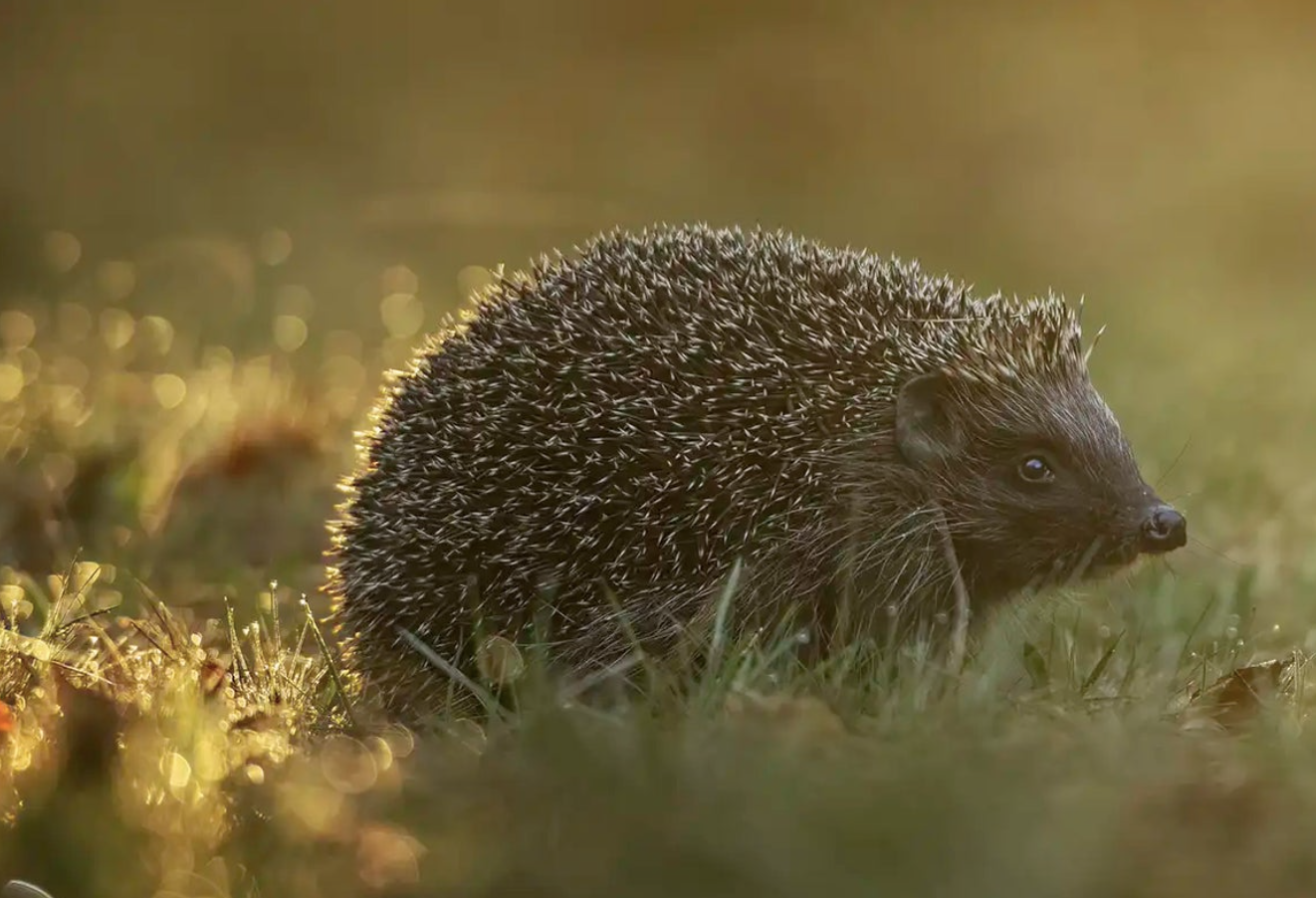
Hedgehog Habitats…
Hedgehogs make hibernation nests in winter called ‘hibernacula’ – these can be under hedgerows, fallen logs or in areas of scrub like bramble. Your garden can provide lots of great nesting spots for ‘hogs – under your shed, in compost heaps, shrubs, under leaf piles or under logs or spare building materials. Click HERE for habitat options.
Hedgehogs are small and vulnerable to extreme weather conditions. Providing a cosy house, keeps them safe from the elements, during the cold winter months.
The ideal time to put out a hedgehog house for hibernation is in late autumn, typically from mid-October to early November.
Hedgehog Heroes…
Why not become a Hedgehog Hero encouraging family, friends, and neighbours to help hedgehogs too. By registering as a hero, we will keep you updated on the latest hedgehog initiatives within the community and how you can help. You can email your conservation achievements and hedgehog sighting for us to share on this website.
We now know that hedgehogs need access to hundreds of gardens locally to survive. Isolated gardens are of no use – so it’s time to get chatting to your neighbours! The more local people that know about hedgehogs and their plight, the more likely they are to survive in our community.
Please email goldenhedgehog.dci@gmail.com your name, email address and postcode to become a hero .
Kids Zone…
Please click HERE to find out more

GOT A HEDGEHOG?…
The first thing to remember is hedgehogs, being nocturnal, will be curled up fast asleep in a quiet corner when we’re typically in the garden. So you’ll either need to sit up all night with a torch listening intently, have a camera, or, more realistically, look for the subtle clues that hedgehogs have passed through during the night.
Click HERE to learn more about hedgehog identification.